By: Megan Roche
For Dan Armida, athletics have always been about more than the final score.
Now, as the new athletic director at Centenary University, he hopes to bring that philosophy to an entire department — emphasizing the development, mental well-being and success of student-athletes both on and off the field.
Armida officially took over as Centenary’s athletic director this summer, beginning his first full academic year in the position after spending the past three years working in various roles at the university.
His path to the position, however, began long before Centenary.
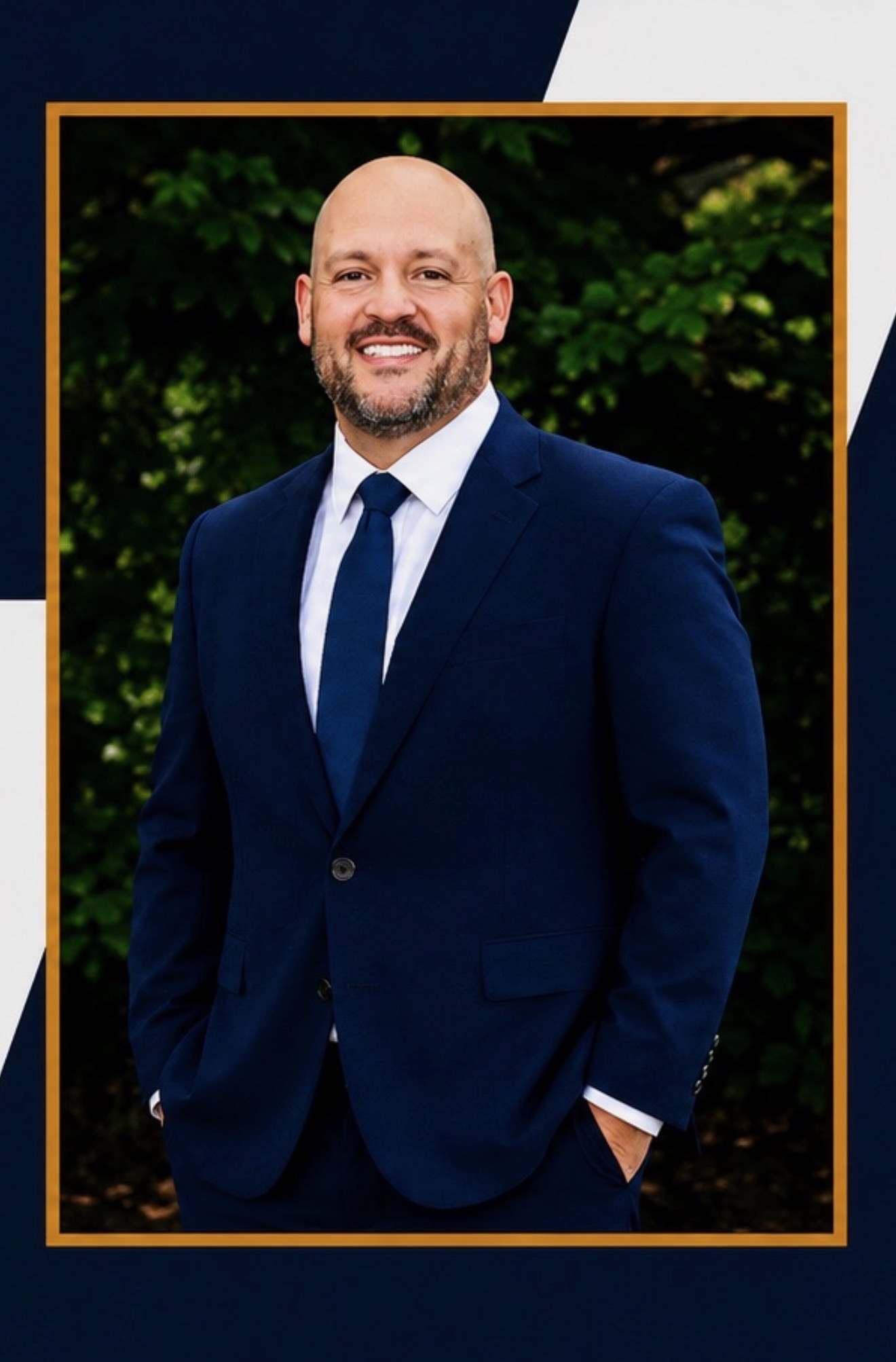
Armida grew up in a sports-centered family. His father was a high-level athlete in football and baseball before becoming a coach, and Armida and his siblings followed in his footsteps.
Baseball became Armida’s primary sport, although he also participated in wrestling, football and basketball before eventually picking up golf.
“I grew up with sports,” Armida said. “We were very much centered around sports.”
As he got older, Armida began to appreciate that the lessons he learned through athletics extended far beyond wins, losses and statistics.
Sports taught him how to work with teammates, respect coaches, deal with failure and persevere through adversity.
Those lessons became even more meaningful when Armida transitioned into coaching.
Over more than 25 years of coaching, he worked with athletes at numerous levels, including through a travel organization he owned and operated. His two daughters also played collegiate sports — one in softball and one in volleyball — giving Armida another opportunity to experience athletics from a parent’s perspective.
Eventually, his interest in coaching evolved into a passion for mental performance.
For roughly the past decade, Armida has focused on mental performance training, becoming a certified mental performance coach and working with athletes ranging from high school and college competitors to professional baseball and basketball players.
What he discovered was that athletes at every level often wrestle with the same questions.
Are they good enough? Can they succeed? What happens when they fail?
Armida believes helping athletes answer those questions is often more important than teaching them how to perform a particular skill.
“Your worth shouldn’t be based on the result of something,” Armida said. “It should come from within.”
That philosophy has taken Armida to some unique places, including working with USA Volleyball’s sitting volleyball program.
He and his wife, who is Centenary’s head men’s and women’s volleyball coach, became involved with the USA Volleyball Paralympic program after being approached about working with athletes at development camps and members of the men’s and women’s sitting volleyball teams.
The experience in Oklahoma City became one of the most rewarding coaching experiences of Armida’s career.
He worked with athletes who had overcome physical and personal challenges while pursuing the opportunity to represent Team USA. Armida said the experience reinforced for him the importance of helping athletes manage pressure and recognize their own abilities.
He recalled working with one athlete who became nervous after taking the court for the first time with Team USA. Armida helped him with breathing exercises and mental-performance techniques before the athlete returned to the court and delivered an outstanding performance.
For Armida, those moments are what coaching is ultimately about.
His background also includes a stint as a scout for the Atlanta Braves, an experience that allowed him to combine his love of baseball with his father’s expertise. The two traveled throughout the Northeast evaluating high school and college players.
The scouting experience taught Armida to look at athletes differently — not simply evaluating what they could do at that moment, but projecting what they might become years down the road.
That same long-term perspective now guides his approach at Centenary.
Before becoming athletic director, Armida served as a volunteer assistant volleyball coach, mental performance coach and student success specialist. In the latter role, he worked with students on issues including time management, tutoring and academic accommodations.
When the athletic director position opened, colleagues encouraged him to apply.
Although he had never served as an athletic director before, Armida said he was drawn to the opportunity because it aligned with his larger purpose: helping people.
That purpose stems in part from a life-threatening medical emergency he experienced more than a decade ago, which dramatically changed his perspective on life and his desire to positively impact others.
Today, he wants that mindset to define Centenary athletics.
Armida said his goal is to support coaches while ensuring student-athletes are viewed as complete people — with academics, mental health and wellness receiving as much attention as athletics.
“Everybody wants to win games,” he said. “But their sole purpose is really to prepare these student-athletes for life beyond college and beyond their sport.”
That emphasis, he believes, is one of Centenary’s greatest strengths.
As a smaller university, Centenary can offer student-athletes a level of individual attention that can sometimes be difficult to find at larger institutions.
Armida wants to build on that personal connection.
He has made his cellphone number available to athletes, coaches and parents and encourages them to reach out directly when they need help.
For Armida, accessibility is part of leadership.
“I want people to know that I care, and I’m here to do good things,” he said.
Now, as he begins his first full year leading Centenary’s athletic department, Armida hopes to create an environment where winning remains important — but never comes at the expense of the people wearing the uniform.
For him, the ultimate measure of success is not simply what happens on the scoreboard.
It is what happens to the young people after they leave it.

Dan Armida brings a life-first philosophy to new role leading Centenary athletics added by Sam Nicastro on
View all posts by Sam Nicastro →